
How to take a Turkish biometric photo with your phone
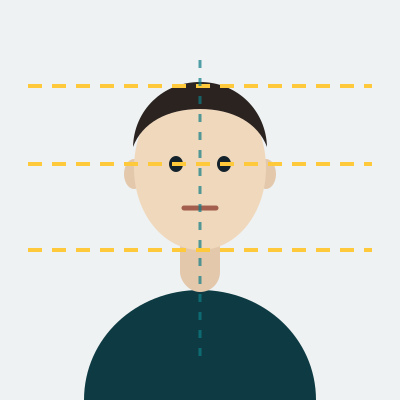
Türkiye uses 50×60 mm — five by six centimetres — which is wider and shorter than the European 35×45 mm rectangle, and it is the same photo for the passport, the national ID card and most civil-registry paperwork. The head fills a lot of that frame: 32–36 mm from the chin to the crown, so the face is noticeably larger than in a British or Schengen photo.
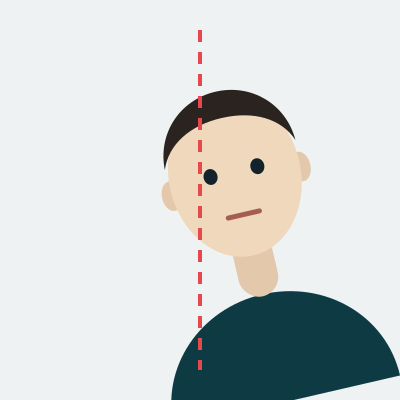
Shoot against a plain white wall in daylight. Stand about 1.5 metres away, have someone hold the phone at your eye level with the rear camera, and keep your shoulders square to the lens. The photo must be recent — taken within the last six months — and it has to look like you look now, so a photo from a wedding two years ago is not a shortcut. Face the window rather than a lamp: the biometric check is unforgiving about shadows falling behind the head.
Why a Turkish biometric photo comes back
Glasses are the most common reason. They are allowed, but any reflection across a lens hides the eye underneath and the photo is refused; thick frames that cut across the pupils and tinted lenses fail for the same reason. Turn away from the lamp, tilt your chin a couple of degrees, or simply take the glasses off.
The other frequent failures are a background that is not plain white, a head that is too small because the photo was cropped out of a group picture, a smile instead of a neutral expression, and hair or a fringe falling over the eyes. A religious head covering is accepted as long as the whole face is visible from the chin to the hairline.
Where a Turkish biometric photo is used
You hand the photo in at the Nüfus Müdürlüğü for a passport or an ID card, and the same file is accepted for driving-licence and civil-registry applications. Bring printed copies — the counters still ask for physical prints — and keep the digital file for online appointments. The authority behind the rules is the General Directorate of Civil Registration and Nationality.