
How to take a Schengen visa photo with your phone
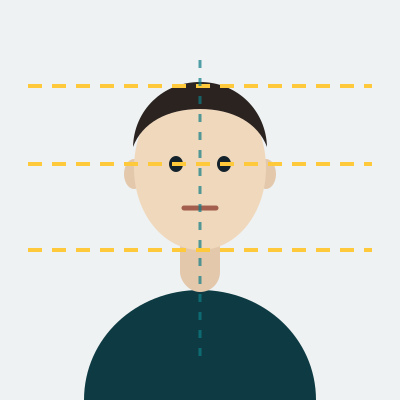
One photo covers the whole Schengen area: 35×45 mm, the head 32–36 mm from the chin to the crown, which works out at 70–80% of the picture height. Whether you apply in Paris, Prague or Riyadh, the consulate is measuring the same rectangle, and it is the tightest of the mainstream formats — the top of the hair sits a few millimetres below the upper edge and the shoulders barely enter the frame.
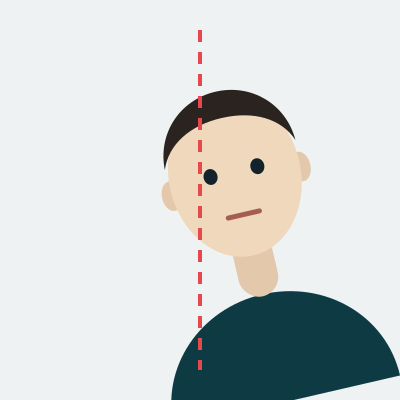
Shoot it looser than that and crop afterwards. Stand about 1.5 metres from a plain white wall, phone at your eye level, rear camera, daylight coming at you from a window. Hold your head straight rather than tilted up: a chin lifted even slightly shortens the chin-to-crown measurement the reviewer takes, and a photo that measures 30 mm where 32 was needed is refused for a reason nobody can see by eye. We measure the head and place it in the frame for you once the picture is uploaded.
Why a Schengen visa photo comes back
The background is plain white, or a very light neutral grey where the consulate accepts one, with no pattern, no furniture edge and no shadow behind the head. Two lamps at equal distance, or a window, will fix most of what a single ceiling light breaks.
The rest is ICAO: a neutral expression with the mouth closed, both eyes open and clearly visible, no glare on glasses and no tinted lenses, and a head covering only where it is worn for religious reasons and the face stays fully visible from the chin to the forehead. The photo has to be recent — six months is the usual limit — and consulates dislike seeing the same portrait that already sits on an earlier visa sticker in your passport, so take a fresh one rather than reprinting the old file.
Where a Schengen visa photo is used
You submit it to the consulate or visa centre of your main destination, and the same file is accepted for short-stay, transit and, in most countries, national long-stay applications. The 35×45 mm rectangle is also what German, French and most other European residence and identity paperwork uses, so the picture keeps working after the trip. The geometry follows the ICAO template published as the official photo sample chart (Fotomustertafel).